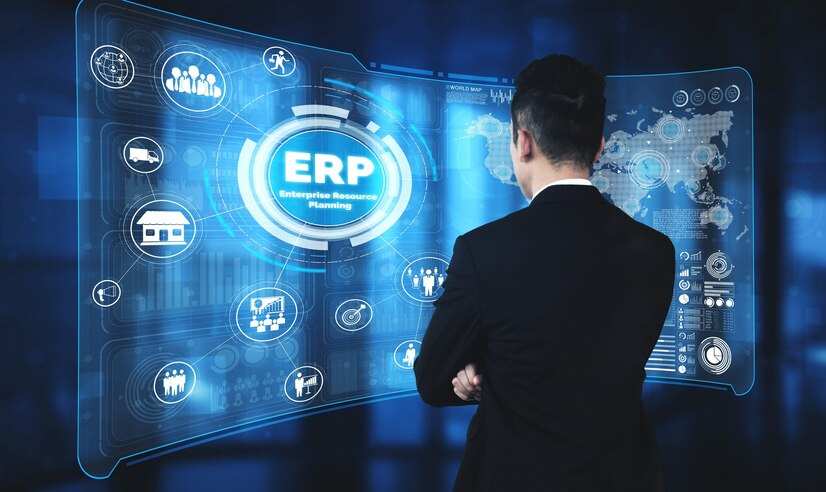
ERP solutions have grown and
expanded their scope to handle the majority of business functions, ranging from
back-end procedures like accounting, HR, procurement, and manufacturing to
front-office services like sales force automation (SFA), marketing automation,
and e-commerce. Businesses rely on ERP not only to reduce costs by eliminating
redundant processes and automating mundane operations but also to give
employees access to crucial information so they can make better decisions
faster.
As businesses rely more on ERP to operate their operations, these systems grow to integrate new technology and serve a greater variety of services. In this post, we'll look at eight significant trends to keep an eye on as we enter 2023.
1. Cloud Deployment:
This software's transition to the cloud is exciting to small and mid-sized businesses, making it a favorite among future ERP trends. The cloud has left an indelible imprint on the ERP and technology industries. The advantages of cloud-based ERP are numerous, and they frequently assist small firms the most. Cloud-based solutions eliminate the need for small enterprises to manage their systems on their own, significantly lowering the requirement for in-house IT. These software types enable small businesses with only one or two IT professionals to benefit from an ERP system that they could not otherwise afford to operate.
2. The Internet of Things (IoT):
The internet of things (IoT), also known as direct machine integration, is the connection of computers and other objects. IoT improves asset management, efficiency, forecasting, real-time business insights, communication, BI, and other functions. This technology also helps autonomous vehicles, real-time analytics, artificial intelligence, eCommerce retail, and other applications. Customer demand, among other things, has necessitated an increasing IoT presence in the company. As a result, IoT integration will be seen throughout the ERP software industry and will become a valuable asset for ERP software buyers. The IoT has extended across various industries, including manufacturing, and shows no signs of slowing down.
3. Mobile ERP:
With everyone using smartphones,
tablets, and other devices, mobile ERP is quickly becoming a juggernaut in the
market. Who wouldn't want to keep an eye on their business even while they're
not in the office?
ERP providers have long provided mobile functionality, and mobile apps are becoming the norm. ERP solutions are expanding to give mobile access to essential corporate data, allowing employees to do both back-end and front-end operations from the warehouse floor to a retail checkout terminal to an airport. Mobile ERP can also let distributed workforces in different time zones collaborate. Mobile ERP provides real-time data and insights, as well as overall benefits such as always-on remote access, increased productivity, faster and more accurate data capture, and increased agility.
4. AI-Powered Insights and Improvements:
Artificial intelligence and machine
learning capabilities built in ERP systems work behind the scenes to help meet the rising demand for customization and improve a wide range of business
operations. While firms could previously add AI features to some ERP systems,
many vendors now offer ERP software with these capabilities built in. AI can
provide major benefits to organizations, such as:
·
More insights: As businesses collect more
operational and consumer data than ever before, they look to AI to provide
important business insights based on that data. AI systems scan massive amounts
of unstructured data, swiftly identifying patterns and predicting numerous
trends that would be impossible to detect with manual number crunching alone.
· Improved processes: AI assists in the automation and improvement of a wide range of processes. Consider a manufacturer who uses a just-in-time inventory strategy to provide components at the last possible minute in order to reduce inventory carrying expenses. Machine learning, a type of AI, may optimize supply delivery and labor schedules to boost efficiency and minimize costs.
Final thoughts
The most recent ERP trends are at the forefront of a larger digital transformation in the manufacturing world. The shift to cloud ERP will most certainly increase as businesses recognize that shifting ERP and its associated modules to the cloud makes it much easier to obtain the speed and agility required to compete in today's industry. Buyers must undertake extensive research on today's ERP industry in order to properly install. You must understand which items are appropriate for your company's size, industry, and feature requirements. The solution should also assist your company in dealing with future difficulties.
Contact us now at https://esightsolutions.com/ and grow your business with software engineered for excellence!
Let’s Build Something Powerful
Tell us about your business challenge. We’ll tell you how we’d solve it.