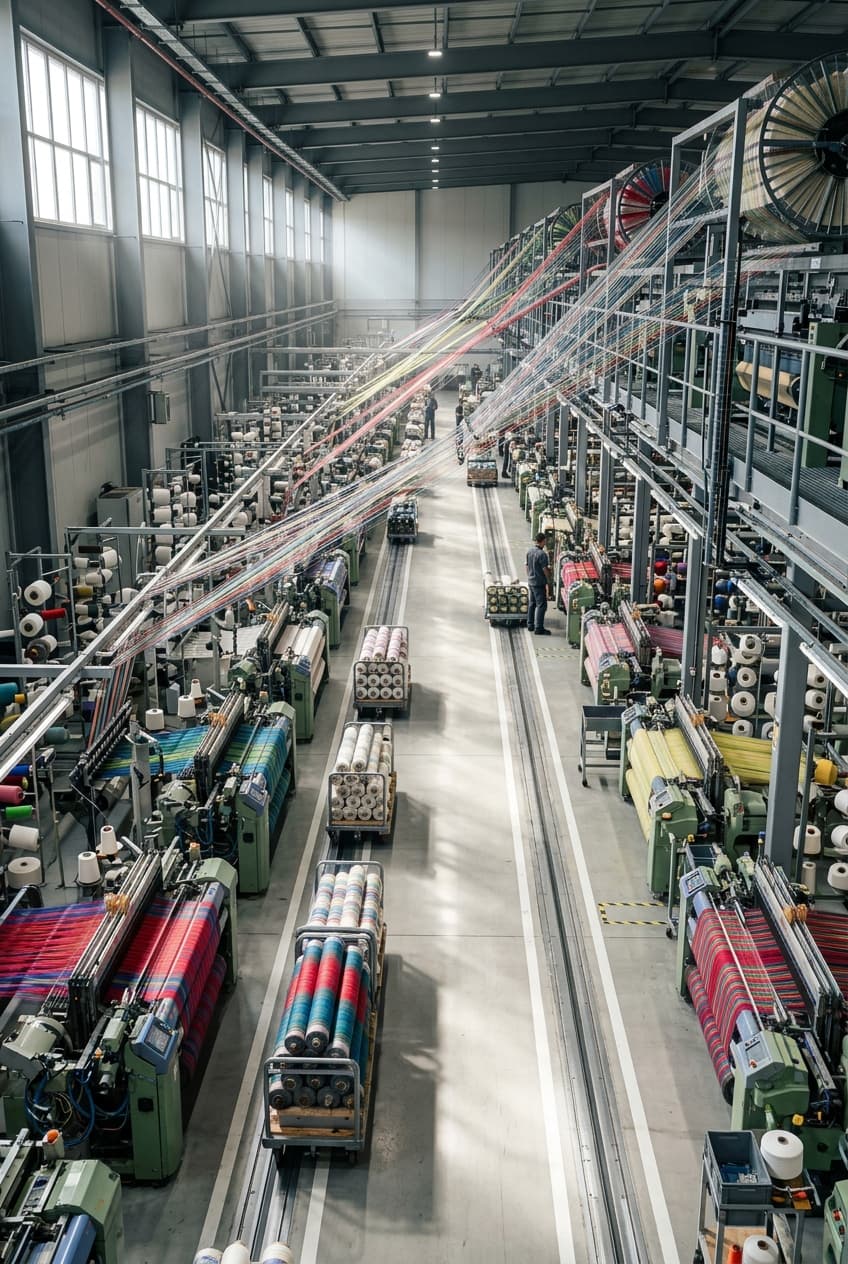
Connected Mills.
Smarter Production.

Textile ERP and production software that connects yarn procurement, weaving, dyeing, quality control and dispatch in one system.
Textile

Built Around the Way Your Mill Runs

Yarn lots, machine schedules, dye batches and buyer orders all move at once in a textile business. When production data lives in registers and spreadsheets, delays, wastage and shade mismatches are hard to catch early.

Esight develops textile software around your processes, from spinning and weaving to processing, garmenting and export. Connect purchase, production, inventory and sales so every team works from the same, up-to-date information.

  1. Step 1SourcePlan yarn and material purchases
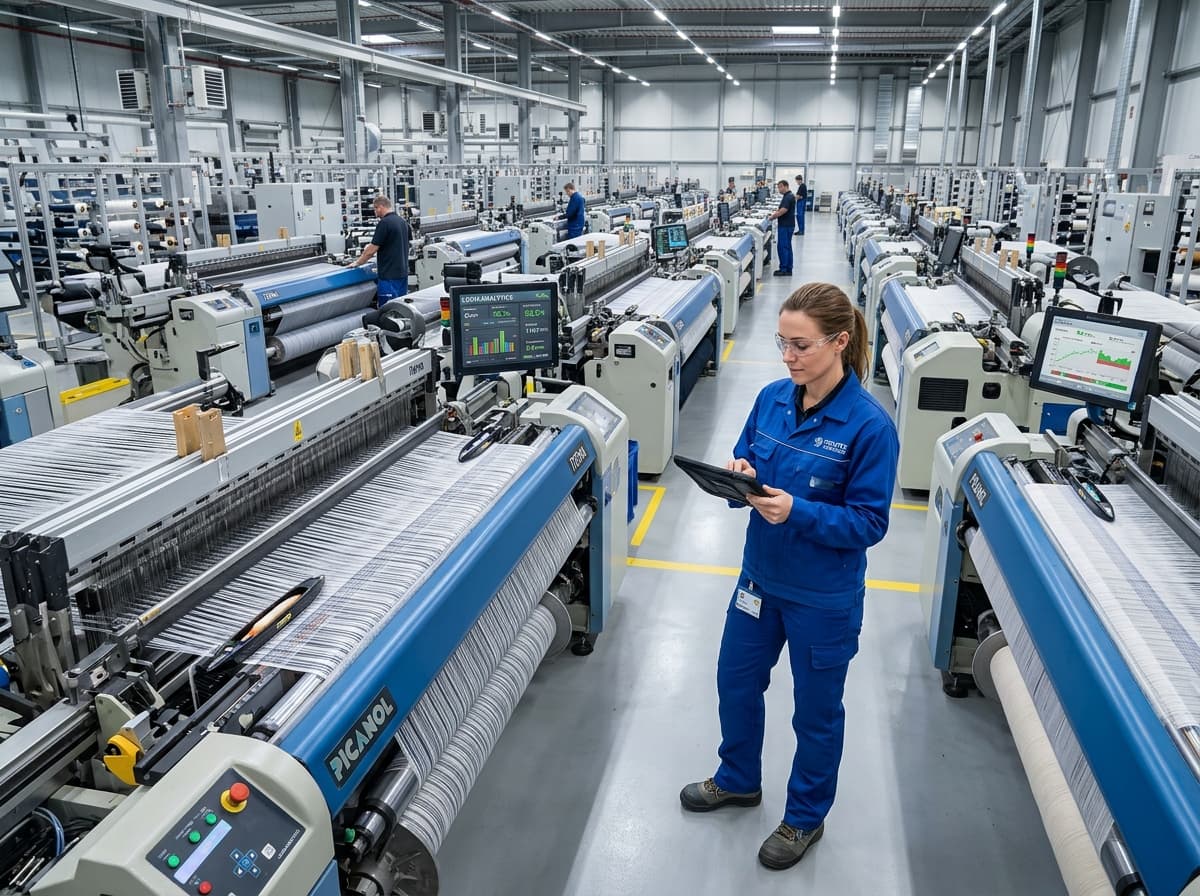
  2. Step 2ProduceRun spinning, weaving and processing
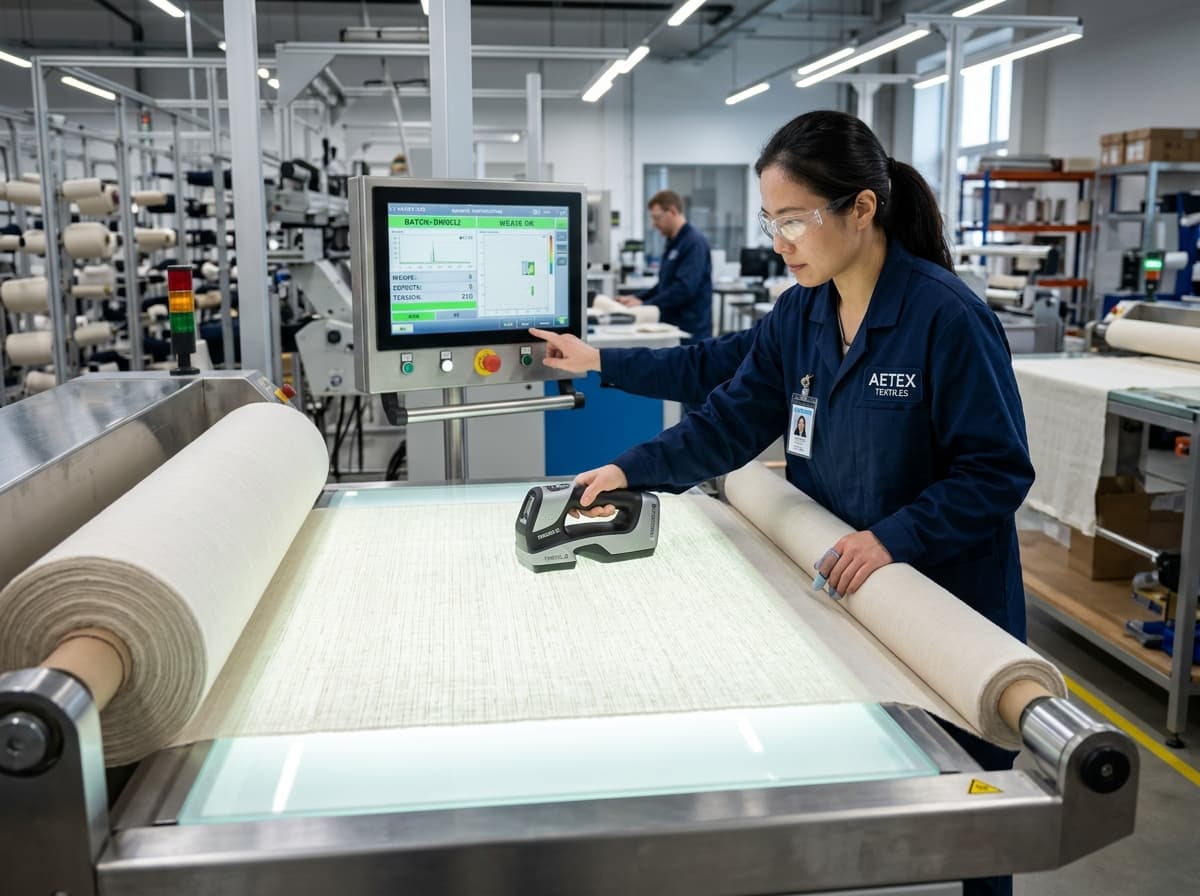
  3. Step 3InspectCheck quality and shade consistency
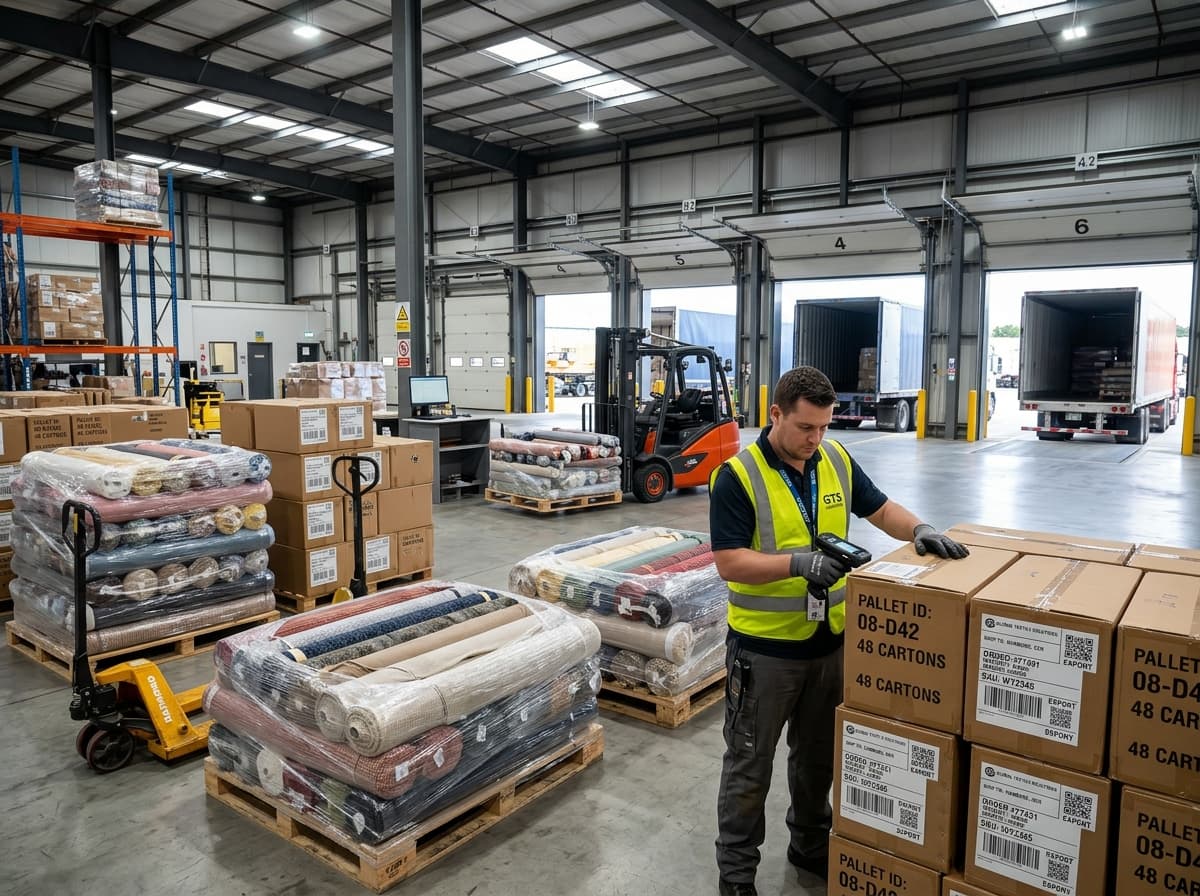
  4. Step 4DispatchPack, invoice and ship orders

Who We Help

  • 01
    Spinning & weaving mills
  • 02
    Dyeing & processing units
  • 03
    Garment manufacturers
  • 04
    Textile exporters
  • 05
    Fabric wholesalers & traders

Business Challenges

Remove the Guesswork From Textile Production

Modern textile mill with a fabric processing line feeding red cloth through finishing machinesTextile

Limited visibility on the floor

Machine output, loom efficiency and work-in-progress are recorded manually, so delays surface only at the end of a shift.

Yarn and fabric stock out of sync

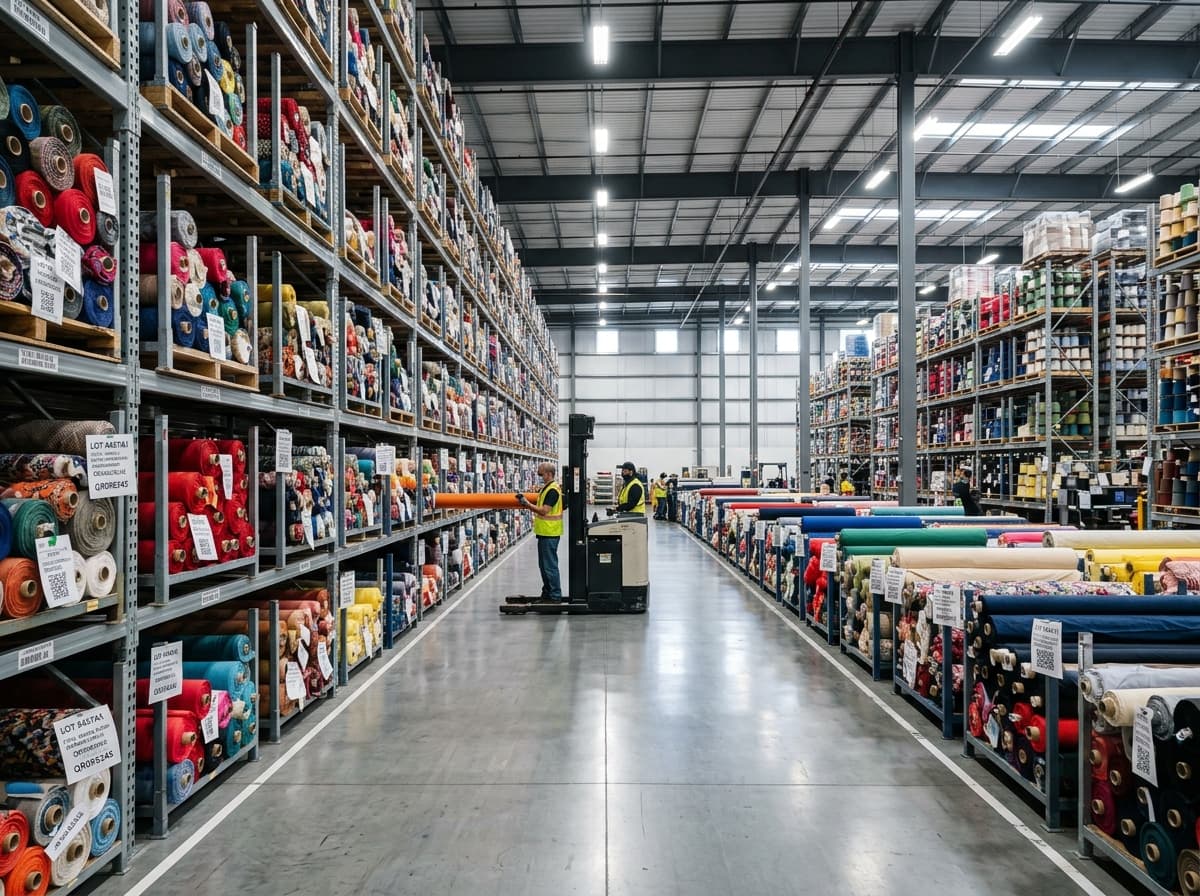
Lots, counts, shades and roll-wise stock spread across godowns make shortages and excess inventory difficult to spot.

Order tracking that relies on follow-ups

Buyers and merchandisers chase status updates because order progress is not linked to production stages.

Quality issues found too late

Defects, shade variations and rejections without a shared record lead to rework, wastage and returns.

How It Flows

From Supplier to Billing, in One Connected Flow

Scroll to watch a yarn order move through the system, from the first supplier entry to the final bill.

Supplier Create

Register suppliers once with tax details, rates and payment terms.

Our Solutions

Practical Tools for Every Stage of Production

01 / 05

Textile ERP & Production Planning

Plan orders, machine allocation and production stages in a system aligned with your mill’s workflow.

Key features

  • Order-wise production plans
  • Machine & loom allocation
  • Process-wise WIP tracking
  • Job work management
02 / 05

Yarn & Fabric Inventory

Track yarn, greige and finished fabric by lot, count, shade and location across godowns and units.

Key features

  • Lot & batch tracking
  • Roll-wise stock
  • Godown transfers
  • Reorder alerts
03 / 05

Order & Merchandising Management

Manage buyer orders, samples, costing and delivery schedules with clear ownership for each stage.

Key features

  • Buyer & order records
  • Sampling & approvals
  • Costing sheets
  • Delivery timelines
04 / 05

Quality Control & Inspection

Record inspections, defects and shade checks at each stage so issues are caught before dispatch.

Key features

  • Fabric inspection reports
  • Defect logging
  • Shade & lab dip approvals
  • Rejection analysis
05 / 05

Dispatch & Reporting Dashboards

Organise packing, dispatch and invoicing, and give management a live view of production and sales.

Key features

  • Packing lists
  • Dispatch & invoicing
  • Production reports
  • Management dashboards

Business Benefits

Better Control From Yarn to Finished Fabric.

  1. 01

    See production as it happens

    Follow orders, machines and work-in-progress in one shared view.

  2. 02

    Keep inventory accurate

    Track yarn and fabric by lot and shade to reduce wastage and shortages.

  3. 03

    Deliver orders on time

    Link buyer orders to production stages so delays are flagged early.

  4. 04

    Improve quality consistency

    Record inspections and defects to reduce rework and returns.

Our Process

Designed Around Your Textile Workflow

  1. Step 01

    Review Your Operations

    Understand your production stages, inventory practices, order flow and quality checkpoints.

  2. Step 02

    Define Requirements

    Agree on features, user permissions, data handling and integration requirements.

  3. Step 03

    Design and Develop

    Build interfaces and workflows suited to your team and customers.

  4. Step 04

    Test and Prepare

    Check production entries, lot tracking, quality records and dispatch documents before launch.

  5. Step 05

    Launch and Support

    Introduce the solution with team guidance and an agreed support plan.

Frequently Asked Questions

FAQ

Technology advisor ready to discuss your project

Prefer to Talk to Us Directly?

Talk to us about your textile workflows, existing systems and project requirements.

Call Us Now

Yes. Modules are configured around the processes you run, whether that is a single unit or an integrated operation with job work across multiple stages.

Portfolio image 1
Portfolio image 2
Portfolio image 3
Portfolio image 4
Portfolio image 5
Portfolio image 6
Portfolio image 7
Portfolio image 8
Portfolio image 9
Portfolio image 10
Ready to Start?

Connect Your Mill, Your Inventory and Your Buyers

Textile ERP and production software that connects yarn procurement, weaving, dyeing, quality control and dispatch in one system.